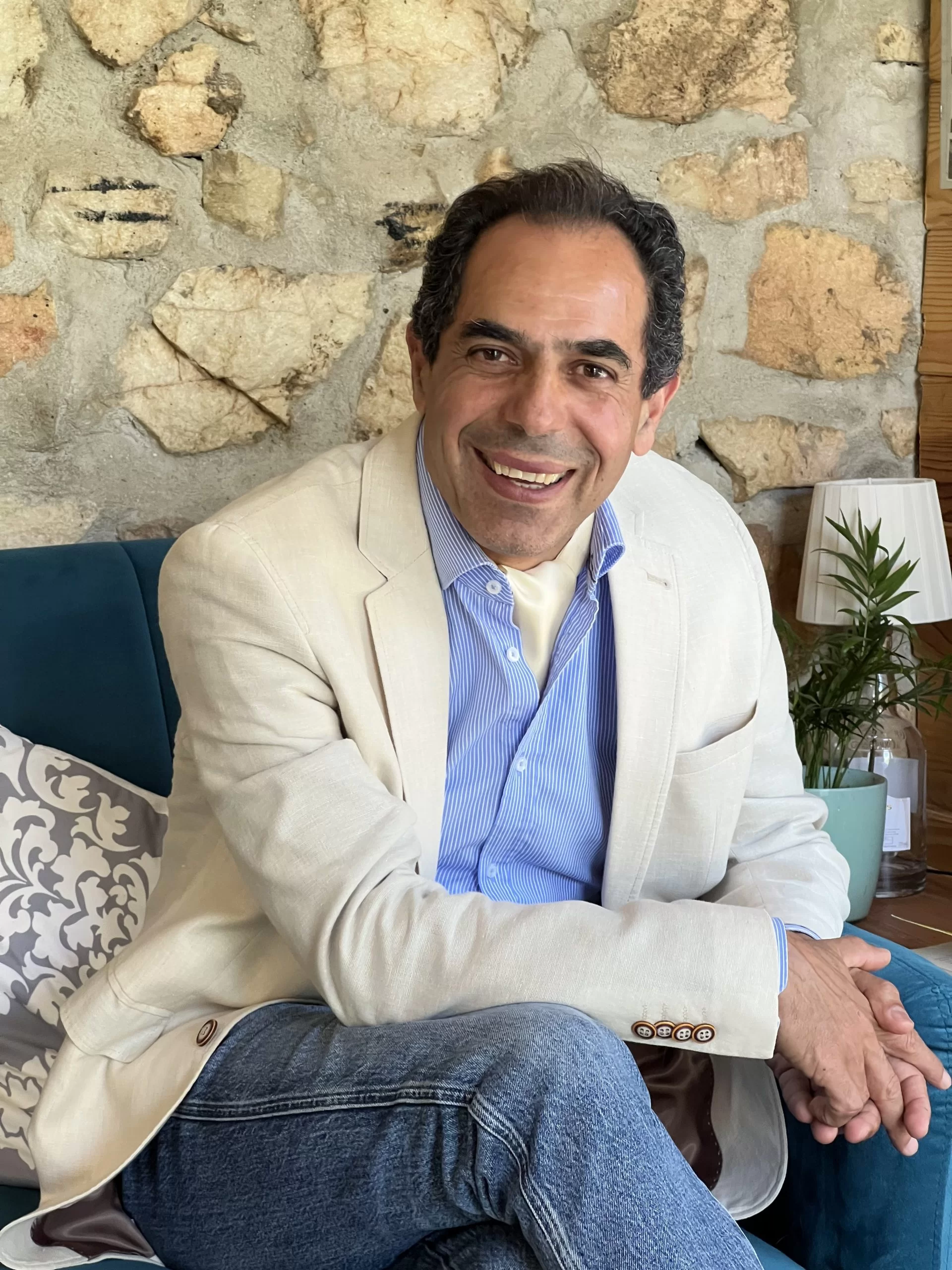
 If the thought of standing up and speaking in front of others makes your heart race, your mouth dry, and your mind go blank, you are not weak, broken, or “bad at speaking.”
You are human.
Fear of public speaking, also known as glossophobia, is one of the most common fears in the world. Studies consistently show that it ranks higher than fear of death for many people. And yet, public speaking remains one of the most powerful skills for career growth, leadership, and influence.
The real problem is not that you feel fear.
The problem is that no one ever taught you how fear actually works, or how to work with it instead of fighting it.
Let’s change that.
Why Public Speaking Fear feels so overwhelming
Public speaking fear is not a confidence issue.It is a nervous system response.
When you step into a situation where you are visible, evaluated, or exposed, your brain scans for danger. For your nervous system, standing alone in front of a group can trigger the same survival circuitry as a physical threat.
Your brain asks one simple question:
“Am I safe right now?”
If the answer is uncertain, your body reacts automatically.
Racing heart
Shaking hands or voice
Shortness of breath
Mind going blank
Sweating or flushing
Feeling “outside” your body
This is your fight-or-flight response doing its job.
The biggest myth about Public Speaking confidence
Most advice about public speaking fear is deeply misleading.You’ve probably heard things like:
“Just be confident”
“Fake it till you make it”
“Imagine the audience naked”
“You just need more practice”
These approaches ignore one crucial fact:
You cannot out-think a nervous system reaction.
Confidence is not something you decide in your head, confidence is a physiological state.
Until your body feels safe, your mind will not cooperate, no matter how prepared you are.
If your nervous system is in panic mode, techniques collapse. That’s why intelligent, experienced professionals often say:
“I know my topic inside out, but the moment I speak, everything disappears.”
The issue isn’t skill.
It’s unaddressed fear in the body.
How to overcome fear of Public Speaking (What actually works)
Overcoming public speaking fear is not about eliminating fear.It’s about creating safety while speaking.
Here’s what works consistently:
Regulate the Nervous System first
Before confidence can emerge, your body needs to downshift from threat to safety.
Rewire the meaning of visibility
Most public speaking fear is tied to unconscious beliefs about judgment, failure, or rejection.
Train Real-World Speaking (Not Just Rehearsal)
Practicing alone is not enough. Your nervous system learns through real, supported exposure.
Why confidence comes after action, not before
Many people wait to feel confident before they speak.That moment often never comes…
Confidence is the result of regulated exposure, not a prerequisite.
You build it by speaking while slightly uncomfortable, with the right support and tools.
This is exactly how the brain rewires fear responses.
Public Speaking Fear in Professionals and Leaders
High performers often experience more speaking anxiety, not less.Because of higher standards, stronger identity investment, and a greater fear of reputational damage.
Ironically, the people who care the most about doing well often suffer the most.
The goal is not to “care less.”
The goal is to care without collapsing under pressure.
Work with a Public Speaking Coach who truly understands fear, from lived experience
It helps to work with someone who doesn’t just teach confidence, but genuinely understands what fear feels like from the inside.I have stood in that exact place where the body tenses, the mind races, and speaking suddenly feels unsafe, even when you are well prepared.
That lived experience shapes how I coach.
Instead of pushing you to “perform” or override your nerves, I work with how fear actually shows up in the body and mind. My approach is calm, grounded, and practical, helping you feel safe enough to speak clearly, authentically, and with presence.
This isn’t about becoming someone else on stage.
It’s about learning how to stay connected to yourself, even when all eyes are on you.